


Pneumonia often begins with a simple cough, but what may initially seem to be no cause for concern can develop into a grave illness. It is one of the most serious infectious diseases, often accompanied by a cough that produces phlegm, physical weakness and fever. Find out more about the symptoms, causes and treatment options of pneumonia in this article.
Overview
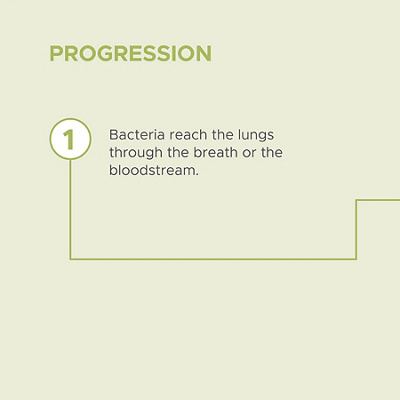
Pneumonia is a widespread infectious disease, with around 42 000 people in Switzerland contracting it every year. Pneumonia inflames the pulmonary alveoli and adjacent connective tissue. This inflammation causes the fine structures of the lungs to be blocked by accumulated fluid or pus, which often severely impairs breathing.
The lungs at a glance
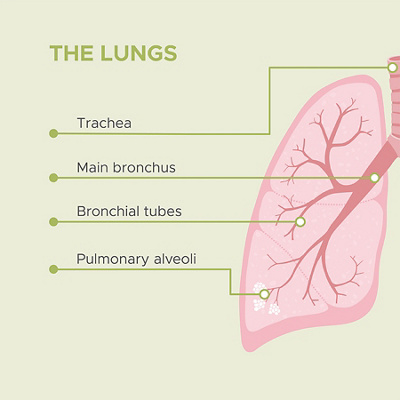
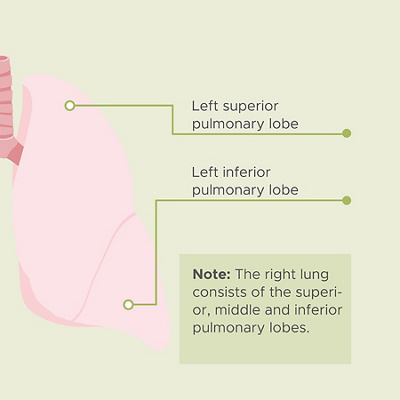
Types of pneumonia
We generally distinguish between 2 types of pneumonia:
- Bacterial pneumonia is more common than viral pneumonia and is caused by various types of bacteria, most commonly pneumococci. Vaccination reduces the incidence of pneumococcal pneumonia.
- Viral pneumonia is caused by rarer pathogens and viruses.
Depending on the cause, pneumonia can develop quickly or slowly and progress in different ways. In principle, anyone can be affected by pneumonia, but there are several factors that increase the risk developing it. A weakened immune system, acquired immunodeficiency, excessive mucus formation due to illnesses such as chronic bronchitis or asthma, mechanical ventilation or the inhalation of harmful substances can lead to pneumonia.
Untreated pneumonia can have serious consequences, particularly for infants, the elderly and people with chronic lung diseases such as COPD, diabetes or a weakened immune system. If pneumonia is not treated quickly and consistently enough, there is a risk that other organs will be affected by the pathogens. In such a case, the illness can be life-threatening.
Another infectious disease caused by bacteria of the Mycobacterium tuberculosis complex is tuberculosis. Our article on tuberculosis covers everything you need to know about the illness.
Atypical pneumonia
In addition to typical pneumonia, there is also atypical pneumonia (also known as walking pneumonia). This is a form of pneumonia that often causes no fever or only a mild fever. When it comes to atypical pneumonia, infants, the elderly and those with a weakened immune system are also more susceptible to the disease.
Walking pneumonia is not easy to diagnose, as fever is often not present as a clear sign. As with typical pneumonia, this type of pneumonia comes with an infection of the lower respiratory tract, which leads to inflammation in the air sacs or alveoli of one or both lungs. However, severe symptoms such as extreme shortness of breath do not usually occur. Many people affected by this illness can continue to carry out their daily tasks as normal.
Causes
Pneumonia can be caused by a number of pathogens. However, in more than 70% of cases, pneumonia is caused by an infection with bacteria such as pneumococci, meaning bacterial pneumonia significantly outweighs viral pneumonia.
Less commonly, different types of viruses, parasites, fungi or inhaled pollutants can cause pneumonia. Radiation therapy for cancer treatment or after an accident, as well as allergic reactions, can also cause pneumonia or at least encourage its development.
Symptoms of pneumonia
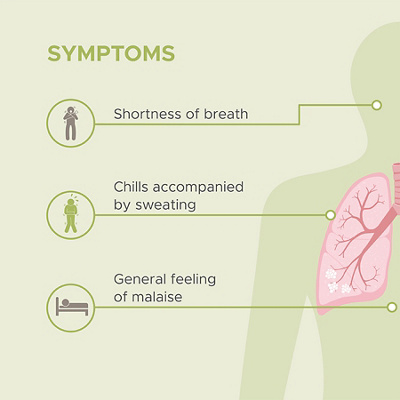

Symptoms
Typical initial symptoms of pneumonia are a cough, fever and a deterioration in one’s general condition. In addition to these symptoms, chest pain and sputum may also occur. Younger patients in particular often react to the inflammation with a high fever.
Typical bacterial pneumonia manifests itself as a cough, sputum, fever, chills and a rapid deterioration of one’s general condition. If the pleura or bronchi are affected, breathing-related pain can also occur.
Pneumonia caused by a viral infection, such as the flu, usually develops more slowly and tends to manifest itself as a dry cough and lower-grade fever. As pneumonia can sometimes be difficult to distinguish from a cold, cold symptoms should always be checked by a doctor if there is any doubt.
If a person who is sick with a severe type of pneumonia receives too little oxygen in their body, breathing accelerates in order to compensate for this oxygen deficit. If this results in insufficient oxygen uptake, the lack of oxygen in the blood causes the fingertips and lips to turn blue. In such a case, the affected person must seek immediate medical attention, as these life-threatening conditions require immediate administration of oxygen and, if necessary, ventilation.
Diagnosis
Pneumonia is diagnosed based on the symptoms and by having a specialist in respiratory medicine listen to the lungs. Especially at the onset of pneumonia, however, it is not always easy to distinguish it from simpler flu-like infections of the upper respiratory tract or bronchitis.
In order to diagnose pneumonia, X-ray images of the lungs are usually taken, on which pneumonia would appear as a ‘shadow’. Blood tests can also be used to determine whether the patient has high inflammatory markers.
If it is a particularly severe case of pneumonia or if the affected person is immunocompromised, the blood is also tested for the presence of bacteria.
Treatment
Treatment depends in particular on the cause and severity of the pneumonia. Both antibiotic therapies and symptomatic treatments are used to inhibit inflammation and alleviate symptoms. In most cases, pneumonia can be cured without complications if treated early.
For symptomatic treatment, medications are used to suppress the urge to cough, reduce fever and alleviate aching limbs. Patients are also advised to drink plenty of fluids, allow their body to rest and avoid physical exertion.
Depending on the severity of the pneumonia, it may be advisable to pay a visit to the hospital, where it can be treated with intravenous antibiotics. This allows them to take effect more quickly than when administered in tablet form. A stay in hospital also has advantages in sudden emergency situations: if ventilation becomes necessary, doctors can initiate this quickly.
Treatment of bacterial pneumonia
Pneumonia caused by bacteria usually needs to be treated with antibiotics. If patients are immunosuppressed or have a pre-existing lung condition, specific pathogens are sought and then treated.
If there is no severe impairment of lung function and no other serious illnesses, treatment can be carried out on an outpatient basis. In cases of severe pneumonia or in elderly patients, inpatient care with oxygen therapy and intravenous administration of antibiotics is often necessary.
Treatment of pneumonia caused by viruses, fungi or other pathogens
If the pneumonia being treated was not caused by bacteria but by viruses, fungi or other pathogens, it is usually treated with other medications such as anti-fungal agents.
Treatment of atypical pneumonia
Walking pneumonia (atypical pneumonia) is easy to treat due to the significantly milder symptoms compared to typical pneumonia, and often goes away on its own. Antibiotics are only used if the pneumonia is caused by bacteria.
To alleviate the symptoms of atypical pneumonia, those affected should heed the following advice:
- Do not use over-the-counter cold or cough medicines that suppress coughing
- Drink plenty of fluids so that the mucus can be coughed up
- Get plenty of rest
- Avoid physical and psychological stress





Prevention
Pneumonia can be prevented by taking simple measures: implement hygiene practices such as regular handwashing to avoid pathogens, maintain good oral and dental hygiene, and maintain a healthy lifestyle. Breathing exercises can also help keep the lungs active.
In addition, always drink plenty of fluids and refrain from smoking. Last but not least, you can also prevent pneumonia by ensuring you are in an appropriate environment: regularly air out the rooms you spend time in to reduce the risk of infection.
Vaccination to protect against pneumonia
In addition to observing hygiene practices, maintaining a healthy lifestyle, drinking plenty of fluids and airing out your home, it is also possible to get vaccinated against pneumonia. 2 vaccinations are particularly suitable for protecting against pneumonia:
- Pneumococcal vaccination: this protects against pneumococci, the bacteria that cause most cases of pneumonia.
- Flu vaccination (influenza): this is recommended in Switzerland from mid-October until the start of the flu season. Although it is used to prevent the flu, it can also protect people from getting pneumonia because the flu can also cause pneumonia.
FAQ
Is pneumonia contagious?
Yes, pneumonia can be contagious. Pathogens are transmitted when someone coughs or sneezes. However, not everyone who becomes infected with these pathogens develops pneumonia. As a general rule, good hygiene can help to prevent infection, especially when in close contact with sick people.
How long is pneumonia contagious for?
There is no general answer to how long pneumonia can be contagious for, as this depends on the respective pathogen. When treated with appropriate antibiotics, infections of the nose and throat are no longer contagious 24 hours after the start of antibiotic therapy. In the case of viral infections, a person may be contagious for even longer.
Can pneumonia get better on its own?
In some cases, mild viral pneumonia goes away by itself. Nevertheless, you should always consult a doctor for a diagnosis. Bacterial pneumonia must be treated appropriately to avoid complications.
How long does it take for pneumonia to clear up?
Symptoms of pneumonia usually improve after 1 to 2 weeks. First and foremost, those affected need to be patient, since it can take several weeks for the lungs to fully recover. What’s important is to drink plenty of fluids, get plenty of rest and follow the treatment consistently.
Centres 14
-
24-hour Emergency Centre (incl. heart attack and stroke emergencies)
St. Anna-Strasse 32 6006 Lucerne -
24-hour emergency centre
Schänzlihalde 11
3013 Bern -
Emergency Centre
Schänisweg
CH-5001 Aarau -
Accident and Emergency Department Zurich
365 days / 24 hours
For report enquiries:
+41 44 209 26 13
notfallsekretariat.impark@hirslanden.ch